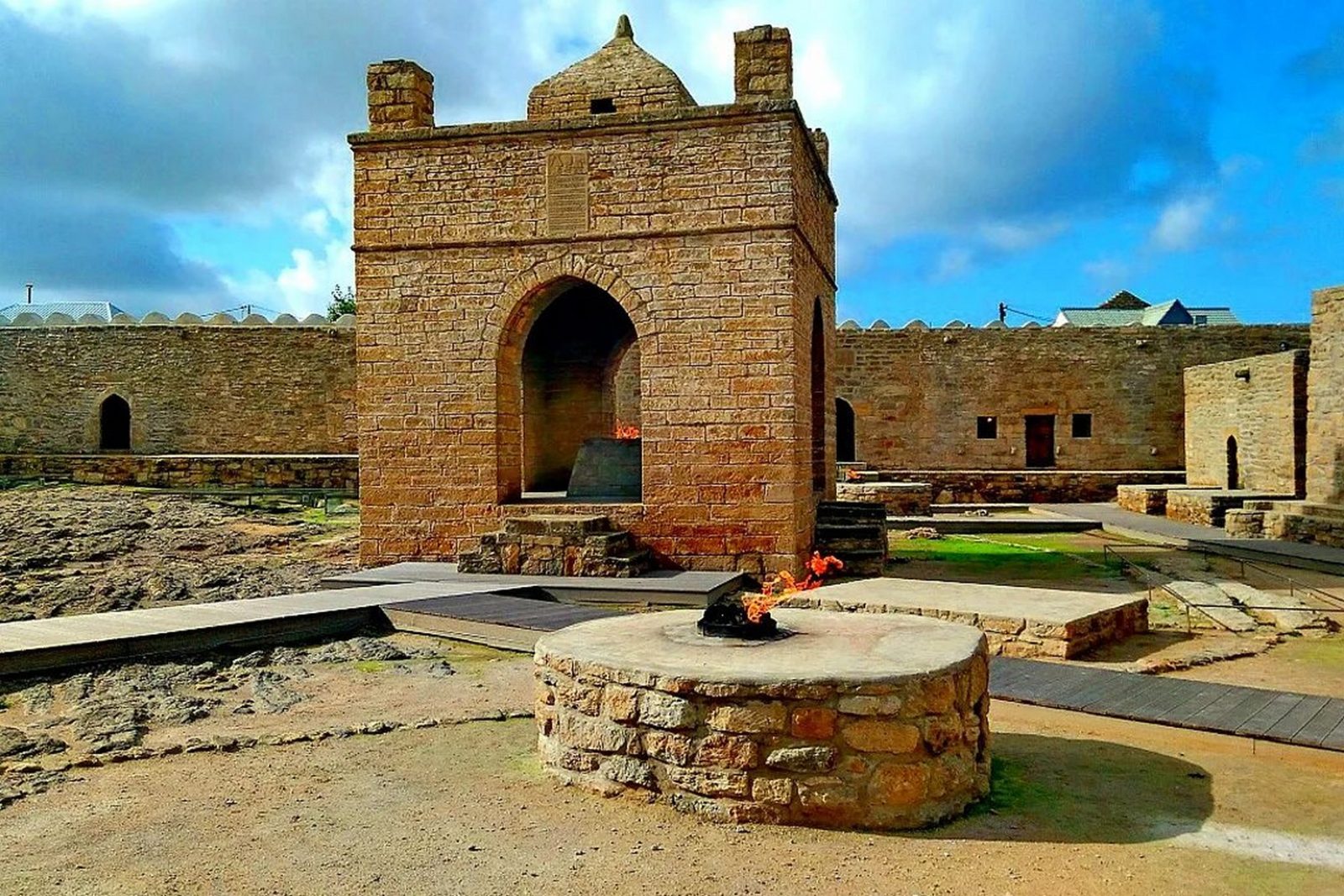
Ateshgah Fire Temple
20 min drive
This historical site offers insight into the region's ancient fire-worshipping traditions, complementing the geological focus of an Absheron tour.

The Absheron Peninsula condenses Azerbaijan's geological and spiritual history into a 60-kilometer arc northeast of Baku. Arranging your itinerary around site hours and natural light conditions turns a scattered list of stops into a coherent narrative.
Quick answer
A well-structured Absheron tour itinerary covers Yanar Dag, Ateshgah Fire Temple, Qala Archaeological and Ethnographic Museum Complex, and Gobustan petroglyphs in a single day, typically beginning mid-morning and ending after sunset at the eternal flames. Most visitors allocate 6-8 hours for the circuit, with evening arrival at Yanar Dag between 19:00 and 20:30 providing optimal flame visibility against the darkening sky.
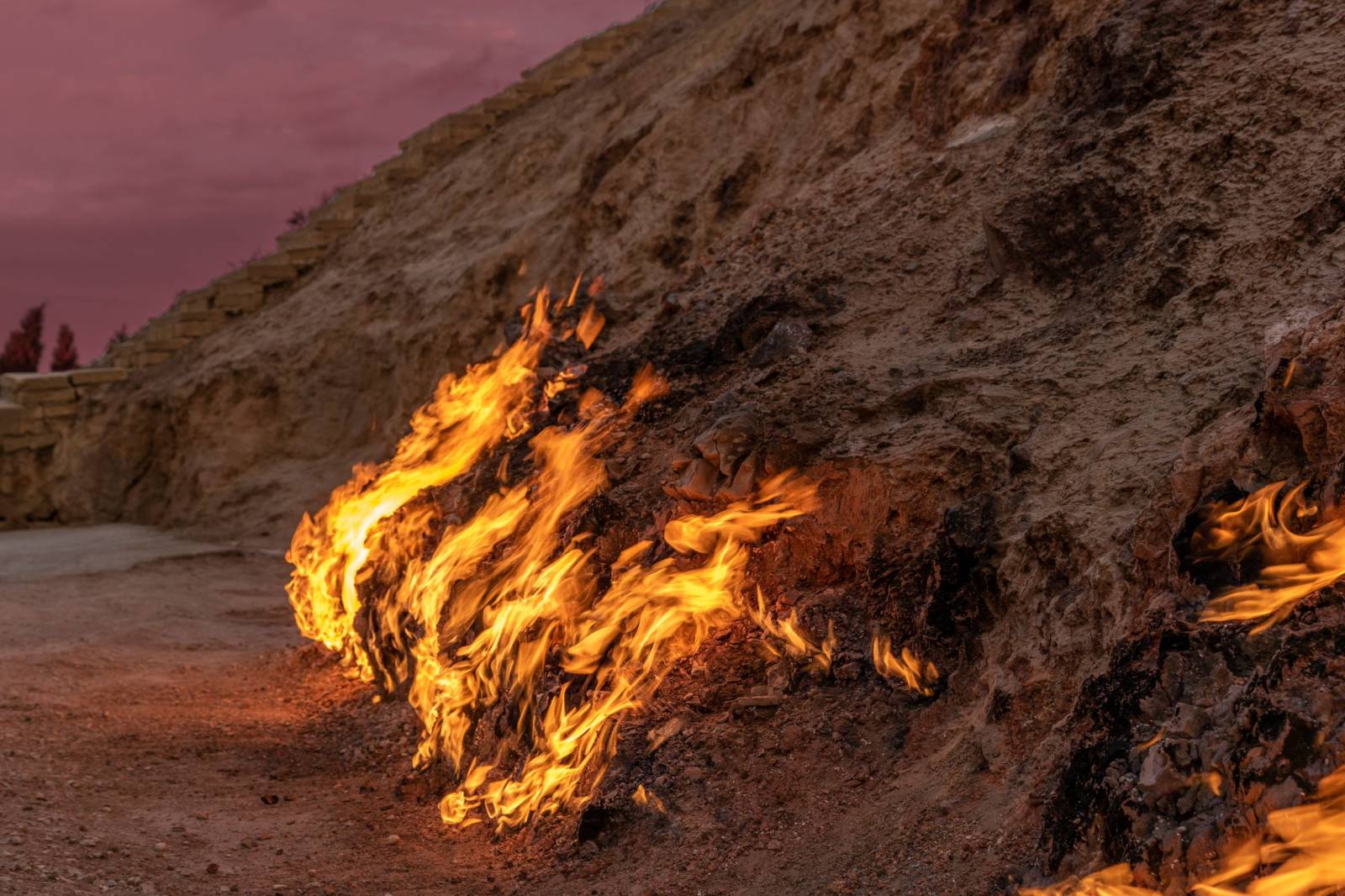
Yanar Dag has burned continuously for at least four millennia, fueled by natural gas seeping through porous sandstone—a geological accident that ancient Zoroastrians interpreted as divine presence. The flame wall stretches ten meters across a hillside where shepherds once reported igniting the ground with a stick. Modern conservation efforts channel the seep into a controlled viewing zone, but the combustion remains natural and unassisted. Sequencing your peninsula route depends on which phenomenon you prioritize: archaeological depth at Gobustan's 6,000-year-old rock carvings, architectural preservation at the Ateshgah caravanserai where Indian traders built a temple around another gas vent, or the living fire at Yanar Dag where geology performs its oldest trick. Most structured itineraries position Yanar Dag last because the flames photograph best after dusk, when the 10:00–21:00 operating window allows late access. The 9 AZN conservation fee supports hillside stabilization and interpretive signage in three languages. The Qala complex offers a contrasting pace—a reconstructed medieval settlement where docents demonstrate bread-baking in clay ovens and blacksmithing techniques from the Shirvanshah period. Allocating 90 minutes here provides context for the peninsula's layered history before moving to the fire sites. Ateshgah's pentagonal courtyard, 30 kilometers from central Baku, functions best as a midday stop when the carved Sanskrit inscriptions above each cell catch direct light. The temple operated as a pilgrimage destination until 1883, when the Baku oil boom diverted gas flows and extinguished the central altar flame. Transit between sites runs along the M1 highway and coastal access roads, with driving segments ranging from 15 to 40 minutes depending on traffic density near the Baku suburbs. Spring and autumn months see the highest visitor concentration, particularly during Novruz preparations in March when cultural programming intensifies across heritage sites. An efficient absheron tour itinerary builds in buffer time for the Gobustan mud volcanoes, a 20-minute detour south of the petroglyph reserve where miniature craters burp cool mineral slurry across a lunar landscape.
“Yanar Dag has burned continuously for at least four millennia, fueled by natural gas seeping through porous sandstone—a geological accident that ancient Zoroastrians interpreted as divine presence.”
This plan suits first-time visitors working with a full day out of Baku, covering the peninsula's fire temple, petroglyphs and coastal landmarks before closing at the natural flames. Allow roughly nine hours door to door, including transfer gaps between widely spaced sites.
Leave the city early while the peninsula roads are still quiet. Expect 40–60 minutes to your first stop, longer if you exit during rush hour.
Walk the pentagonal caravanserai courtyard and the central altar chamber, then the side cells housing the exhibition on Zoroastrian and Hindu pilgrims. Ninety minutes is comfortable, including the small museum rooms.
An ethnographic reconstruction of Absheron village life, with stone dwellings, a blacksmith workshop and ancient tombs spread across the grounds. Budget an hour; the site is open ground with little shade.
Pause for a meal near the northern coast. Village kitchens here fill up quickly on weekends, so a short wait for a table is normal.
Climb the 14th-century defensive tower for views over the peninsula's orchards. Forty-five minutes covers the tower and the surrounding walls.
If you want the rock carvings and mud volcanoes, this adds three hours and sits southwest of the city — fit it in only if you skipped one earlier stop.
Decompress at the Caspian shoreline before the final leg. Thirty to forty minutes is enough to stretch and reset for the evening.
Finish at the natural gas flames on the slope near Mehemmedi. Plan around 45 minutes at the viewing terraces; the address for the whole route is Absheron Peninsula, Azerbaijan, with details at https://yanardag.az.
The site is open daily to accommodate your Absheron tour itinerary. Access remains consistent throughout the week.
Entry to the site requires a standardized conservation fee for all visitors. This charge supports the preservation and maintenance of the Absheron Peninsula site.
Verdict: The standard adult conservation fee is 9 AZN, which remains consistent for all visitors regardless of age or status.
The Absheron Peninsula is located in Azerbaijan and is accessible from central Baku via several reliable transport options. Travelers typically reach the site using road-based transit or organized vehicle transfers.
Line 147 from Koroglu Transport Exchange Center to Yanardag
Route via Heydar Aliyev Avenue and Mardakan highway
Direct service from Baku city center
For optimal visibility of the eternal flames, plan your arrival to fall within the 19:00–20:30 window. Parking is available on-site for visitors arriving by private vehicle.
The Absheron Peninsula contains several sites that align with historical and geological themes. Integrating these locations allows for a more comprehensive understanding of the region's unique natural gas reserves and architectural heritage.
20 min drive
This historical site offers insight into the region's ancient fire-worshipping traditions, complementing the geological focus of an Absheron tour.
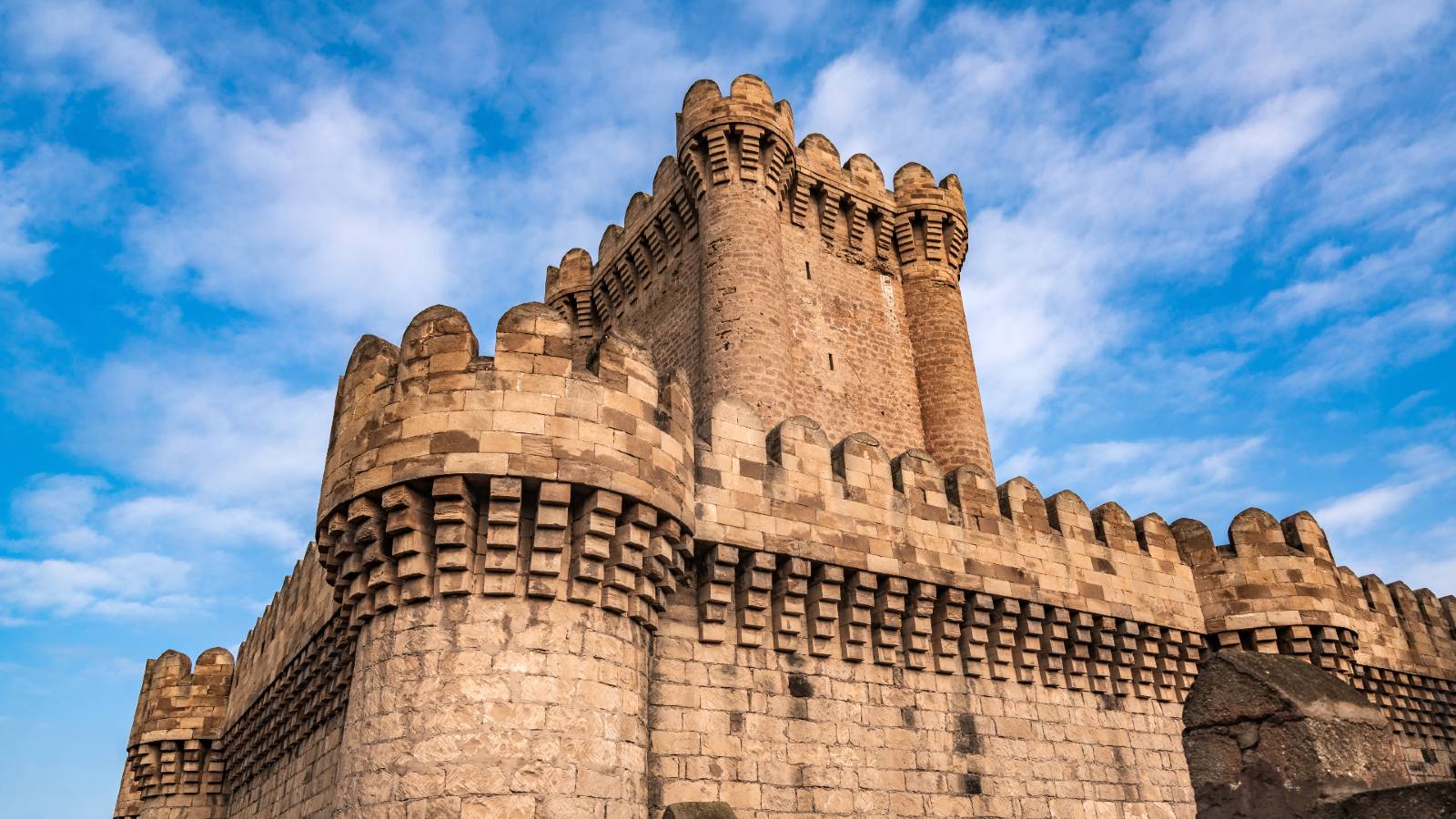
25 min drive
Dating back to the 12th century, this quadrilateral fortress provides a clear contrast to the natural fire phenomena found elsewhere on the peninsula.
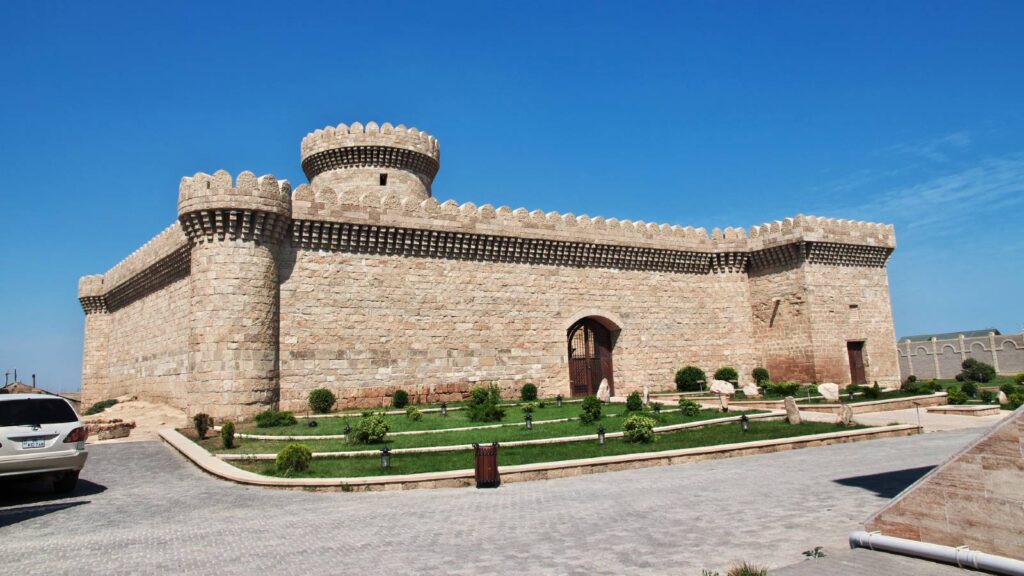
30 min drive
This open-air museum preserves traditional Azerbaijani life and historical artifacts, serving as a cultural extension to the natural landscape stops.
Everything you need to know about absheron tour itinerary
A well-balanced absheron tour itinerary typically incorporates the natural gas fires at Yanar Dag, the Ateshgah Fire Temple, and the coastal landscapes of the peninsula. We recommend balancing historical sites with nature stops to ensure a comprehensive experience of this unique region. Planning your absheron tour itinerary around these primary attractions helps manage transit time effectively across the peninsula. Travelers often find that including a local expert on a Baku peninsula tour provides deeper historical context, particularly at complex sites like the Fire Temple. While independent travel is possible, having a guide streamlines navigation between remote locations. Your chosen absheron tour itinerary should account for the regional transport distances to ensure you have enough time at each stop. The best arrival window for viewing the flames is 19:00–20:30, as evening hours provide the best visibility for the eternal flames. Following this schedule allows you to appreciate the natural phenomenon without the glare of direct sunlight. The conservation fee is 9 AZN per person, payable at the entrance. Ensure you have local currency on hand as this fee covers the site maintenance and conservation efforts for the natural gas outcrop. Families are welcome to visit the Absheron landmarks, though visitors should remain on designated paths for safety near the active fire areas. The outdoor nature of the site makes it suitable for school-aged children interested in geology and history. The most common error is starting the trip too late in the day, which misses the evening visual impact. By finalizing your absheron tour itinerary with an evening arrival, you ensure the most memorable experience of the glowing slopes.