Absheron Tour
Visitor Guide

Absheron Tour With Ateshgah and Yanardag

Two of Azerbaijan's fire landmarks sit within a short drive of each other on the Absheron Peninsula: the walled Zoroastrian temple at Surakhani and the hillside that has burned, uninterrupted, at Yanardag. This guide explains what each site actually is, how the two pair into one outing, and where the practical figures come from. Everything below is drawn from the official temple museum data rather than tour-operator marketing.

9 min read Updated 2026-10-01 Fact-checked
Absheron Tour With Ateshgah and Yanardag

Quick answer

An absheron tour with ateshgah and yanardag works as a half-day trip: both fire sites open 10:00–18:00 every day of the week, and the Ateshgah single foreign-adult ticket is 15 AZN, with a combined ticket covering Yanardag available for 25. The qualifier that matters is arrival time rather than season — the 10:00–17:00 window keeps you ahead of midday heat and afternoon coach groups.

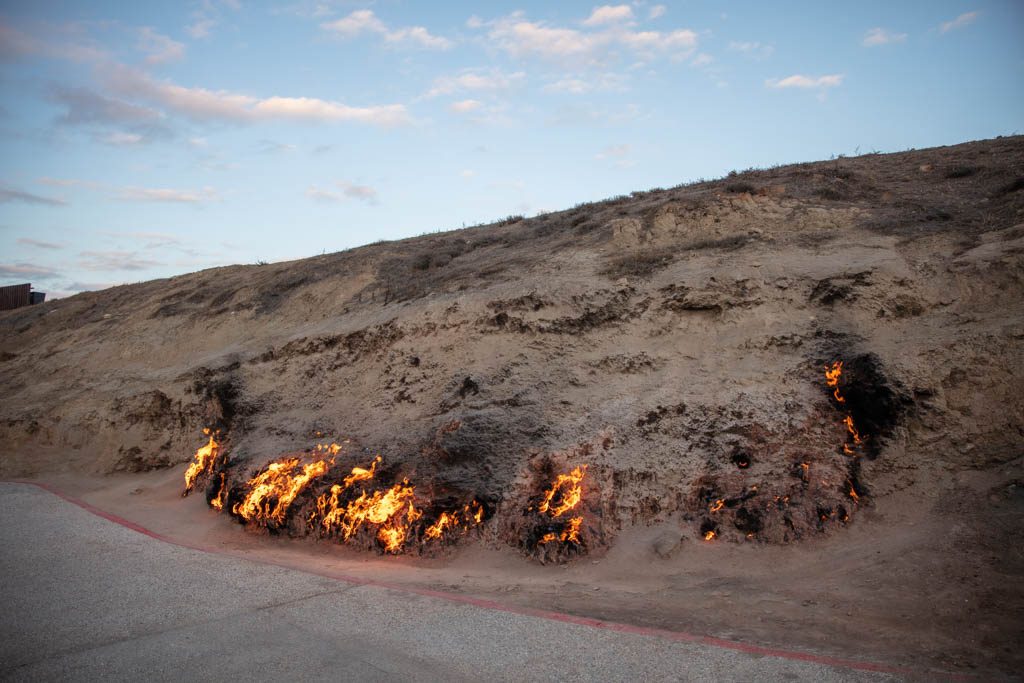
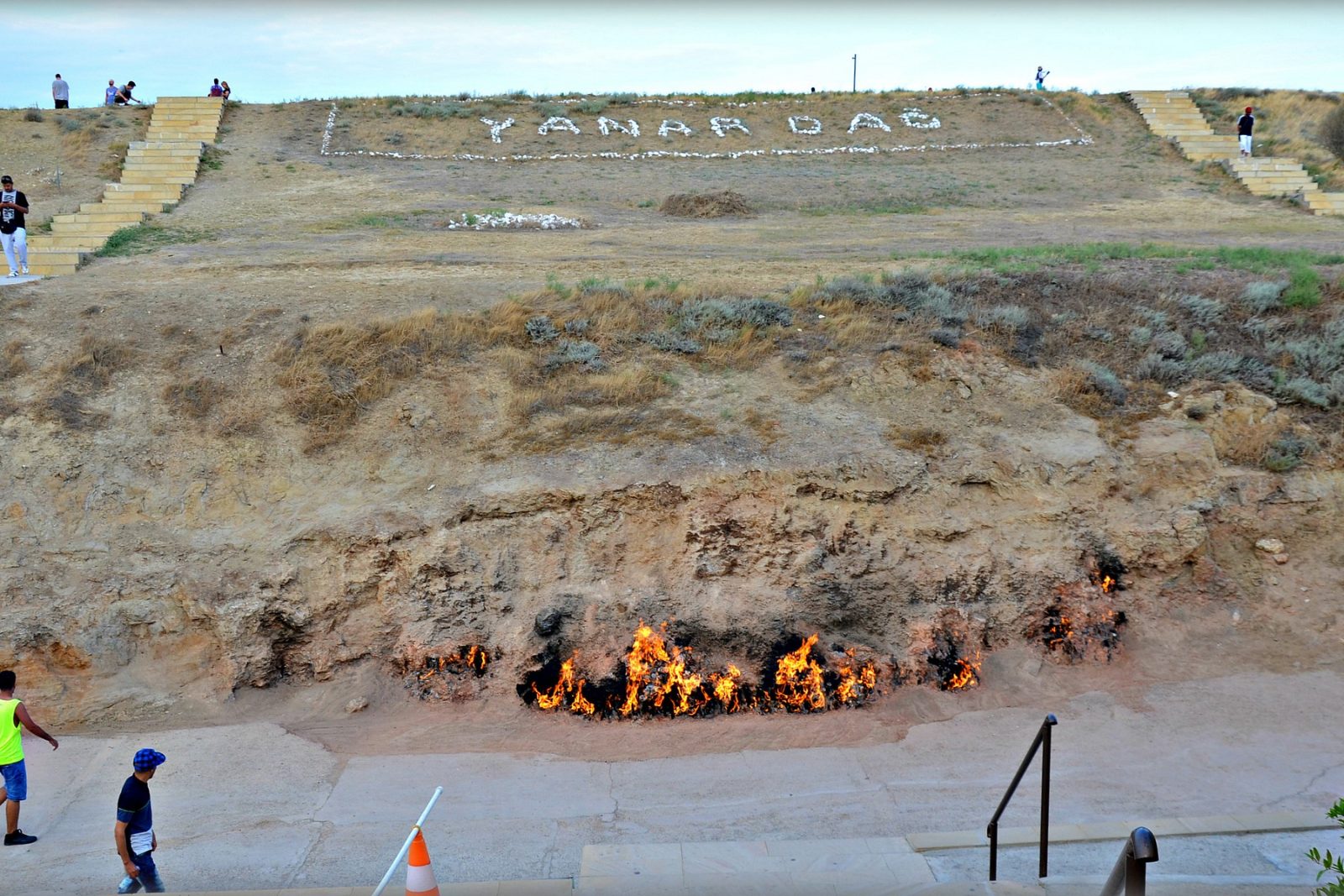
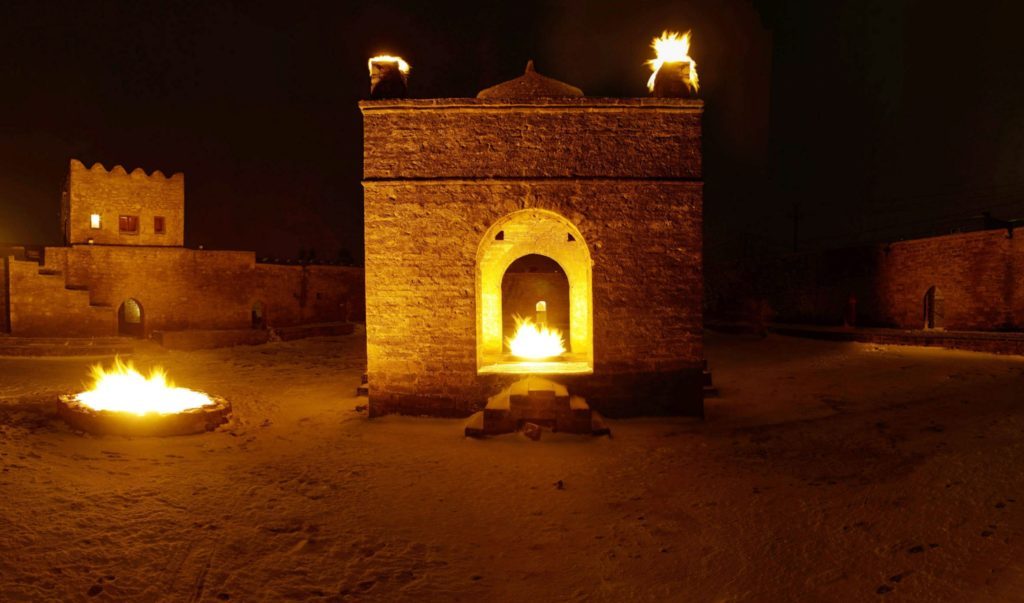
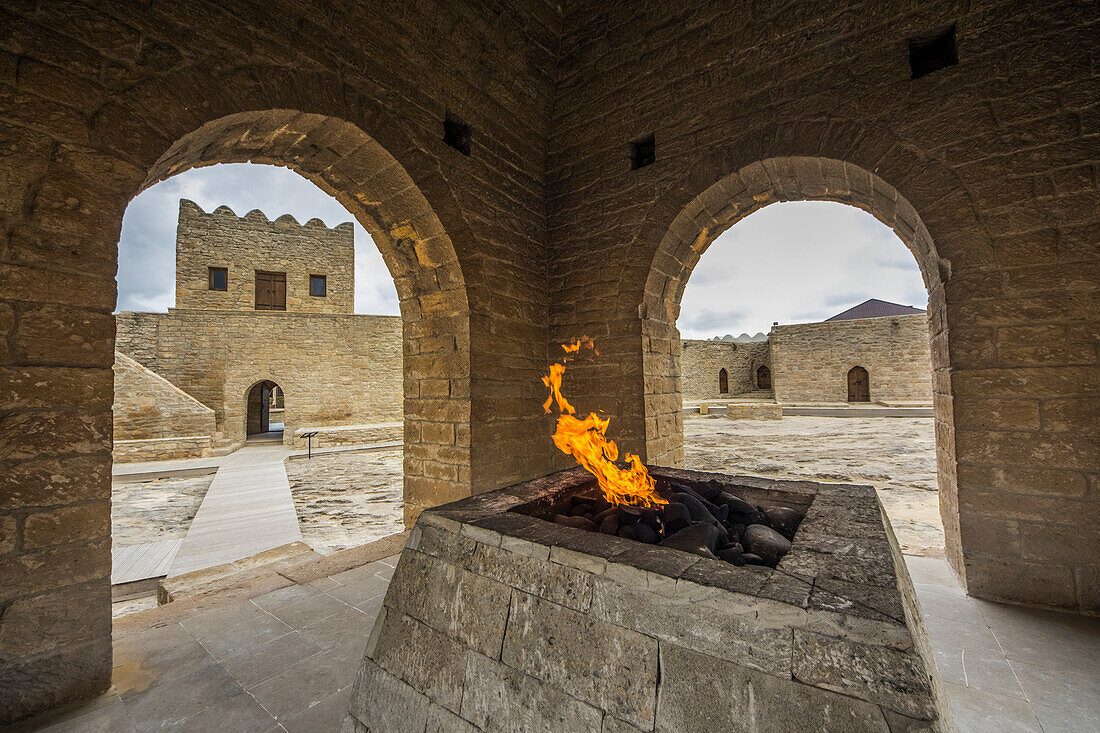
The flames inside the pentagonal courtyard at Surakhani are no longer natural. The seepage of gas that drew pilgrims here for centuries was exhausted by Soviet-era extraction around the temple, and the fire now visible is piped from Baku's municipal supply. Visitors on an absheron tour with ateshgah and yanardag are therefore looking at a restored ritual stage rather than a spontaneous one — which makes the twenty-odd cells ringing the courtyard, each once rented to a travelling ascetic, the more interesting object of attention. Yanardag presents the opposite case. On a limestone slope near Mehemmedi, a seam of natural gas vents through the ground and has burned continuously for decades, with reports of the fire stretching back to Marco Polo's accounts of Azerbaijan's eternal flames. There is no flue, no pipework. The contrast between the engineered fire at the temple and the geological one on the hillside is the actual argument for pairing the two, and it is why most Baku fire temple tours treat them as a single narrative rather than two separate stops. The practical shape of the trip follows from geography. Both sites lie on the Absheron Peninsula east and north of the capital, close enough to Surakhani, Baku, Absheron Peninsula, Azerbaijan to make a morning out and an afternoon back in the city entirely realistic. The two attractions keep the same daily pattern, so there is no need to stagger the visit around differing schedules — a point the dedicated hours section sets out in full. Ticketing is simplified by a combined option, handled in detail on the pricing page. What to do with that information is straightforward. Treat the temple as the slower, more interpretive half: inscriptions in Sanskrit and Punjabi above the cell doorways, the caravanserai layout, the museum displays on Zoroastrian and Hindu use of the site. Treat the burning mountain as the shorter, more photographic half, best in low light. An absheron tour with ateshgah and yanardag guide that front-loads the temple and finishes on the hillside tends to read better in practice than the reverse, and the itinerary section on this site sequences it accordingly. Confirmation of hours before setting out is worth the phone call to +994125651288 or a glance at https://ateshgah.az.

“The temple's fire is piped; the hillside's is not — and that single difference is the reason the two sites belong on the same day.”
Opening hours

Opening Hours for an Absheron Tour With Ateshgah and Yanardag

The Ateshgah Fire Temple remains open daily to visitors throughout the week. Operational hours are consistent across all seven days, including weekends and public holidays.

Monday
10:00–18:00
Tuesday
10:00–18:00
Wednesday
10:00–18:00
Thursday
10:00–18:00
Friday
10:00–18:00
Saturday
10:00–18:00
Sunday
10:00–18:00
Visitors are encouraged to complete their tour within the standard operating window to ensure sufficient time for exploration.
Prices

Entrance Fees for an Absheron Tour With Ateshgah and Yanardag

Admission fees for the Ateshgah Fire Temple are set by official policy for foreign visitors. A combined ticket option is available for those also planning to visit the Yanardag State Historical, Cultural and Natural Reserve.

Ateshgah Single Ticket Foreign adult admission
15 AZN
Combined Entrance Ticket Includes Yanardag access
25 AZN

Verdict: A typical foreign adult pays 15 AZN for single entry, though purchasing a combined ticket for 25 AZN covers both Ateshgah and Yanardag.

Itinerary

Planning Your Itinerary: Absheron Tour With Ateshgah and Yanardag

This half-day itinerary works well for visitors who want to explore both fire-related sites on the Absheron Peninsula in a single trip. Expect to spend 4-5 hours including travel time between locations.

10:00

Arrive at Ateshgah Fire Temple

Start your visit at the temple complex in Surakhani, exploring the central altar, monk cells, and museum exhibits. Allow 60-90 minutes to walk through the courtyard and read the historical displays about the site's role as a Zoroastrian pilgrimage destination.

11:30

Transit to Yanardag

Drive approximately 25-30 minutes north to Yanardag, the natural gas fire mountain. The route follows the coastal highway through residential areas of the Absheron Peninsula.

12:00

Explore Yanardag Hillside

Observe the natural flames emerging from the rock face and walk the viewing platform that runs alongside the fire line. The site visit takes 30-45 minutes; evening visits offer more dramatic flame visibility, but daytime allows you to see the geological context.

13:00

Return Journey Begins

Head back toward central Baku or continue to other Absheron attractions. If you purchased the combined 25 AZN ticket, keep it as proof of entry to both sites.

What to see

Highlights of an Absheron Tour With Ateshgah and Yanardag

The Absheron Peninsula features unique sites where historical architecture and rare geological phenomena converge. These highlights showcase the region's connection to natural gas resources.

Ateshgah Central Altar

Ateshgah Central Altar

The main pentagonal sanctuary features a central fire pit that was historically fed by natural gas vents. Visitors can walk around the perimeter to view the surrounding cells used by pilgrims.

View the altar from the corners for clear photos of the architecture.
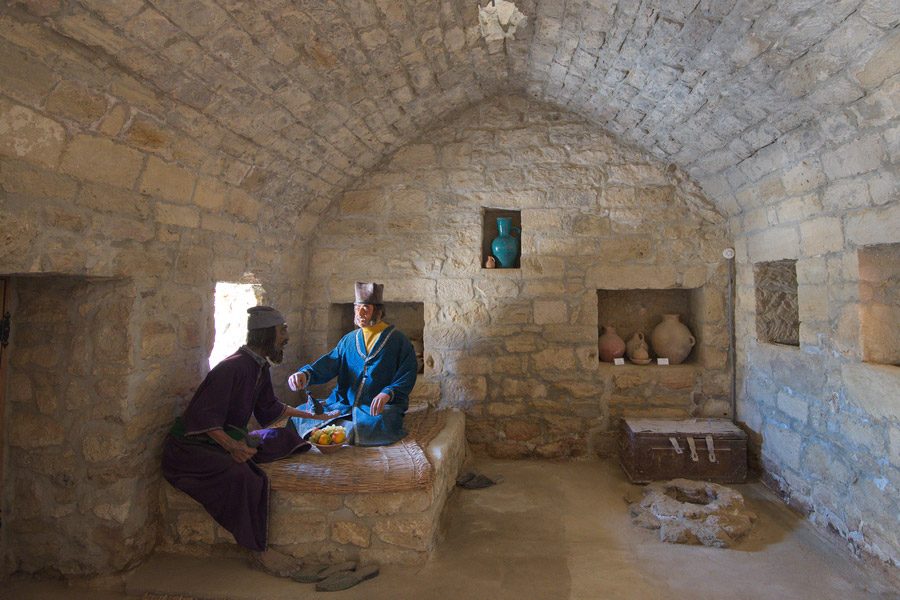
Ateshgah Pilgrim Cells

Ateshgah Pilgrim Cells

These small, stone-walled rooms line the inner courtyard and contain wax figures and displays detailing the lives of 18th-century ascetics. The architecture reflects the influence of local stone carving traditions.

Look into the corners to see authentic historical carvings and displays.

Yanardag Burning Hillside

Yanardag Burning Hillside

This geological site features a continuous natural gas fire that has burned for decades along the side of a sandstone cliff. The flames flicker directly from the porous rock surface.

Stand on the upper viewing platform to observe the fire movement.

Yanardag Amphitheater

Yanardag Amphitheater

A modern tiered viewing area has been constructed facing the burning wall to allow visitors to observe the fire safely. It provides an elevated perspective of the entire flame trench.

Visit at dusk to see the flames contrast against the darkening sky.

Directions

Getting to Your Absheron Tour With Ateshgah and Yanardag

The Absheron Peninsula sites, including Ateshgah in Surakhani and Yanardag, are located northeast of central Baku. Visitors typically rely on private transfers, taxis, or organized tours for the most efficient route between these two distant landmarks.

Taxi 30–40 min 15–25 AZN

Direct route from Baku city center to Ateshgah

Bus 45 min 0.50 AZN

Bus 184 from Koroglu Metro Station to Surakhani

Car 30 min —

Route via Heydar Aliyev Avenue (H. Aliyev prosp.)

Taxi 45–60 min 20–30 AZN

Inter-site transfer from Ateshgah to Yanardag

For the most streamlined experience, many travelers arrange a private car hire to visit both Ateshgah and Yanardag in a single trip, as public transport connections between these two points are infrequent.

Book

Check availability

Frequently asked

FAQs: Planning your Absheron tour with Ateshgah and Yanardag

Everything you need to know about absheron tour with ateshgah and yanardag

What is included in an absheron tour with ateshgah and yanardag?

An absheron tour with ateshgah and yanardag typically covers the historic Fire Temple of Surakhani and the natural gas vents of Yanardag. These sites showcase the peninsula's ancient fire-worshipping traditions and unique geological features. Visitors explore the central altar, surrounding monastic cells, and the perpetual flames ignited by subterranean gas.

Can I book a combined ticket for these landmarks?

Yes, a combined ticket for these two major landmarks is available for 25 AZN. This offers a convenient way to visit both heritage sites during your excursion. Please check our booking widget for details on arranging your visit.

How much is the entrance fee for an absheron tour with ateshgah and yanardag?

The entrance fee for a foreign adult is 15 AZN for a single ticket to the Fire Temple. A combined ticket that includes entry to Yanardag can be purchased for 25 AZN. Prices are current as of October 2026.

What are the best hours for an absheron tour with ateshgah and yanardag?

The best arrival window for your visit is between 10:00 and 17:00. Arriving in the morning is recommended to avoid both the midday heat and the peak arrival times of larger tour groups.

How long should I spend at the Ateshgah Fire Temple?

Most visitors dedicate approximately one to two hours to fully explore the courtyard, museum exhibits, and historical cells of the Fire Temple. This timeframe allows for a comprehensive look at the site's unique architectural heritage.

Are these sites accessible during an absheron tour with ateshgah and yanardag?

Both sites are open daily from 10:00 to 18:00, making them accessible throughout the week. These historic landmarks are well-maintained for public visitation.

How do I reach the Fire Temple in the Absheron Peninsula?

The Fire Temple is located in Surakhani, Baku, on the Absheron Peninsula. It is easily reachable by car or organized transport from the city center, with the main contact number being +994125651288.

Keep reading

More guides & pages