7 hr 30 min
Baku: Gobustan, Absheron & Yanar Dag Day Trip
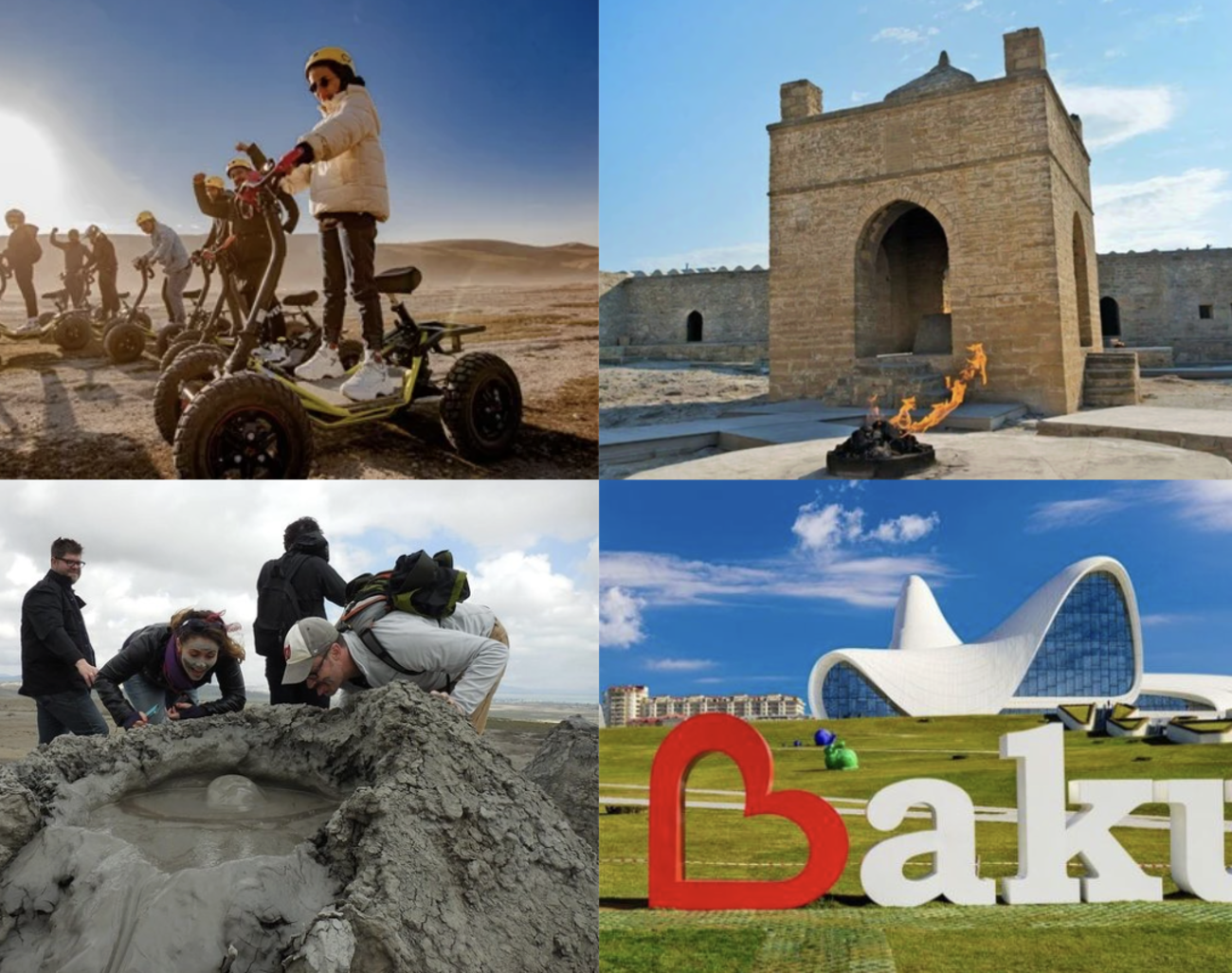
Mud volcanoes, ancient petroglyphs, eternal flames and bold modern architecture in one day.
Reserve
Oil-dark earth below, a flame that never asked permission.
Hand-picked by our editors — only the best 9 experiences from 214 reviewed.
Verified partners for Absheron tours, free cancellation where available, and instant confirmation on every booking.
7 hr 30 min
Mud volcanoes, ancient petroglyphs, eternal flames and bold modern architecture in one day.
Reserve
8 hr
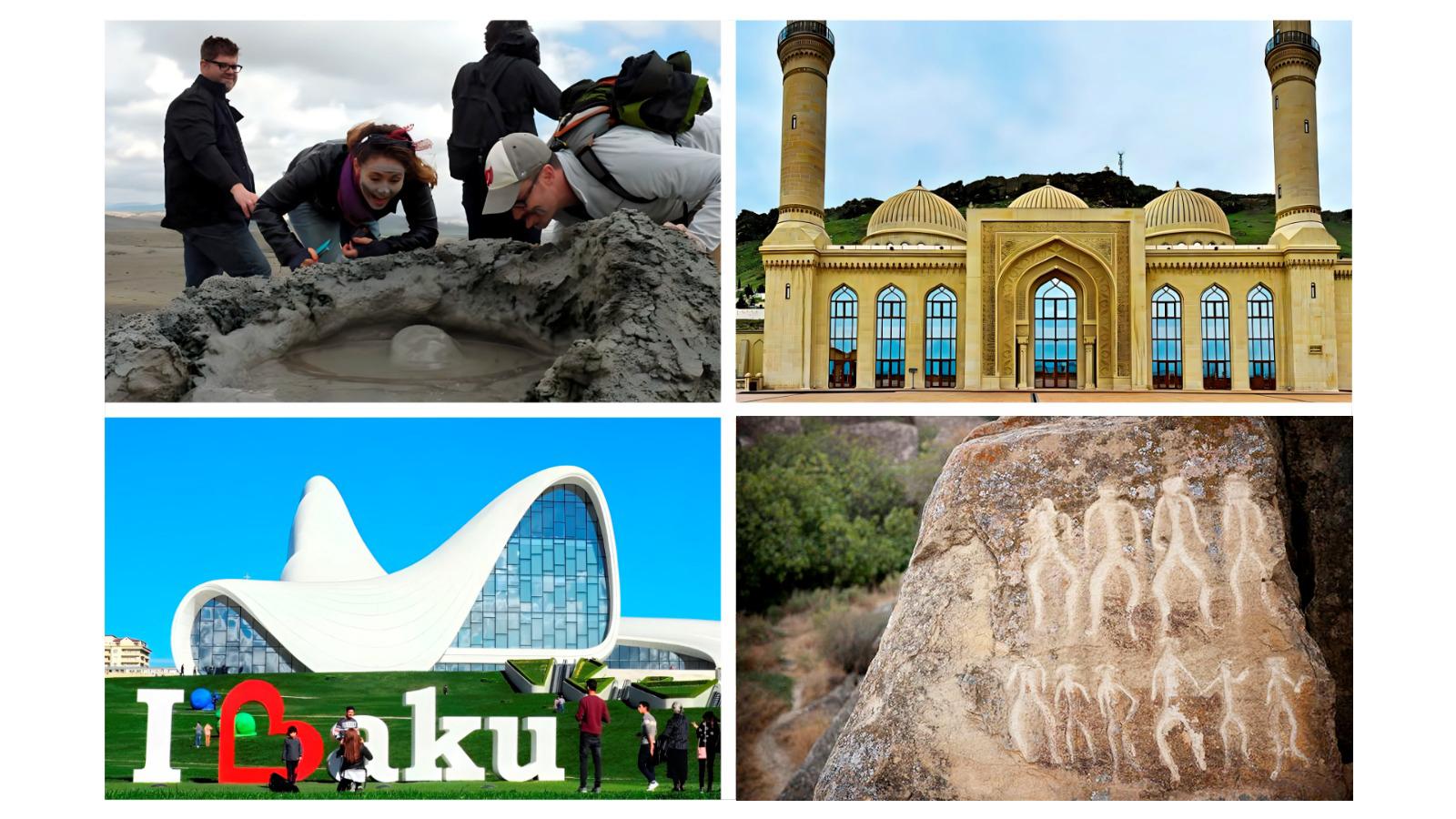
Petroglyphs, bubbling mud volcanoes, fire temples and Baku icons in one epic day trip.
Reserve
8 hr
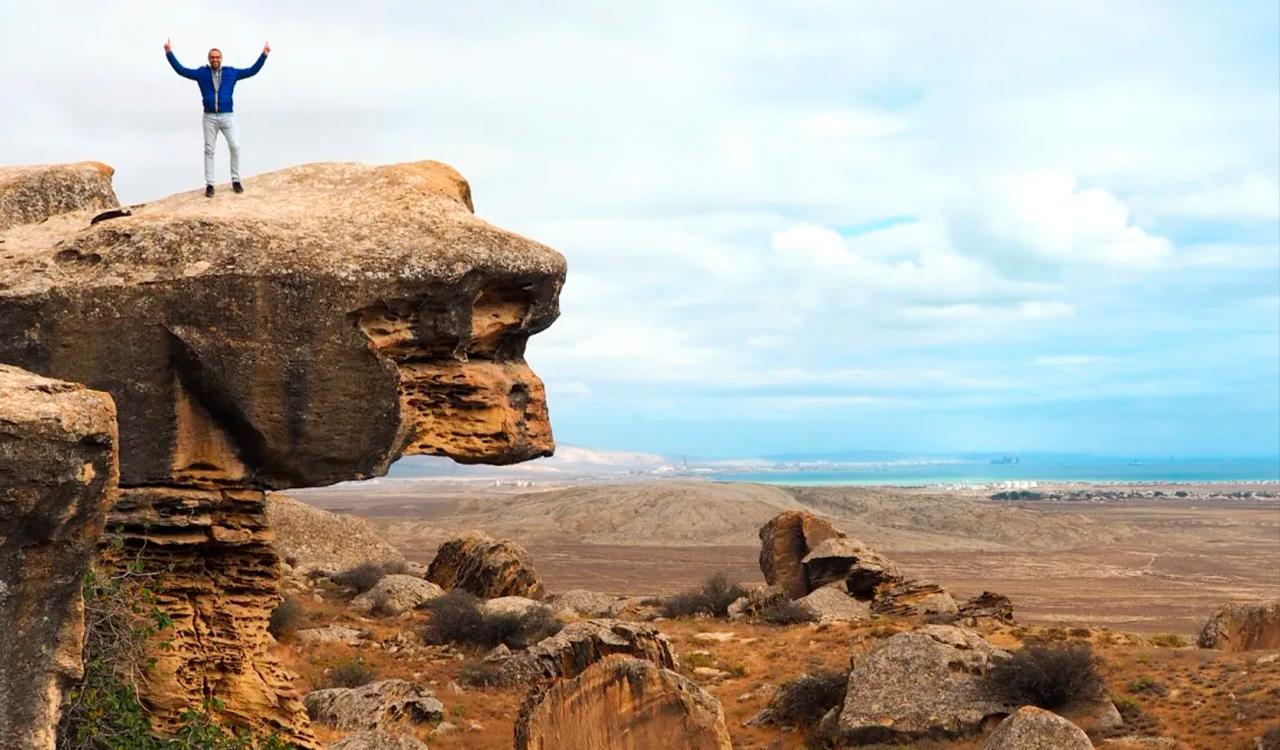
Full-day trip from Baku to Gobustan's petroglyphs, mud volcanoes, and the Absheron Peninsula.
ReservePrices from verified partners. Availability updates in real time at checkout. Free cancellation policies apply where shown.
The landmarks, rooms, and views travelers on Absheron tours remember — all visible on a single visit.
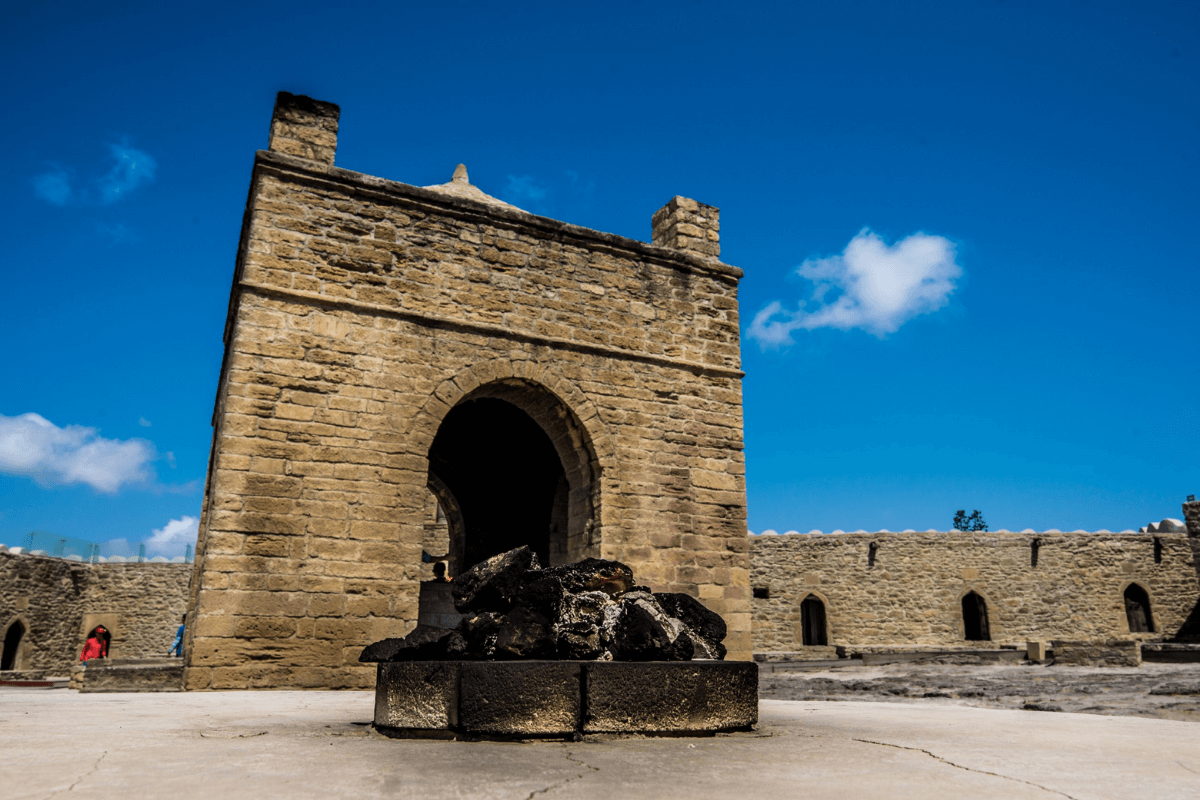
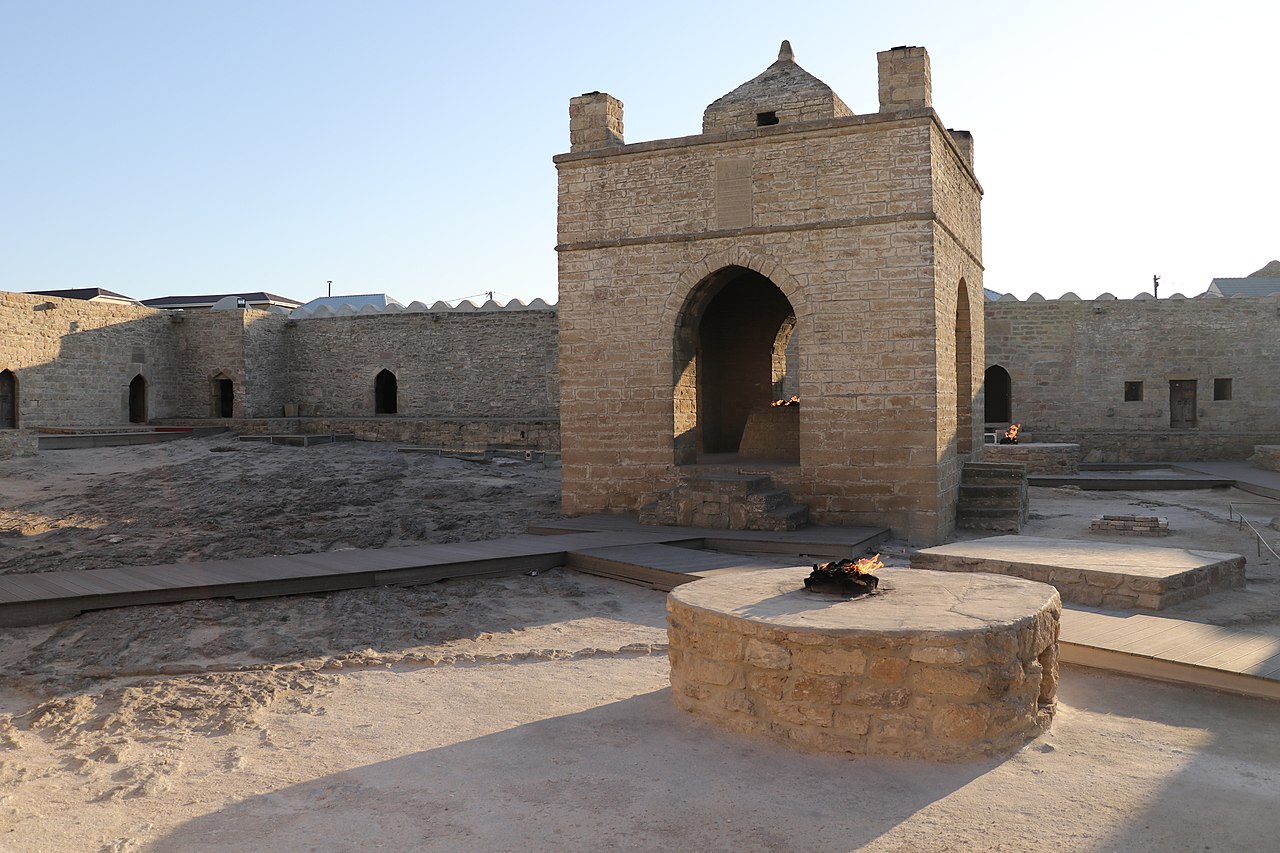
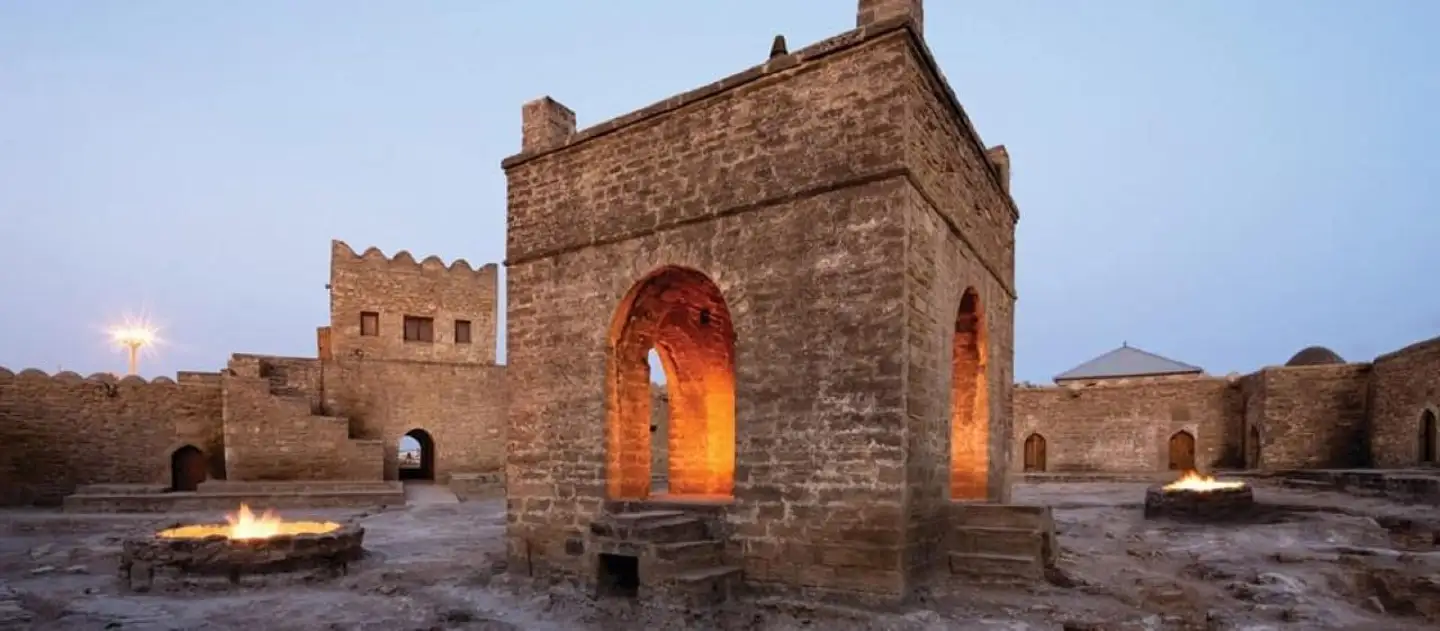
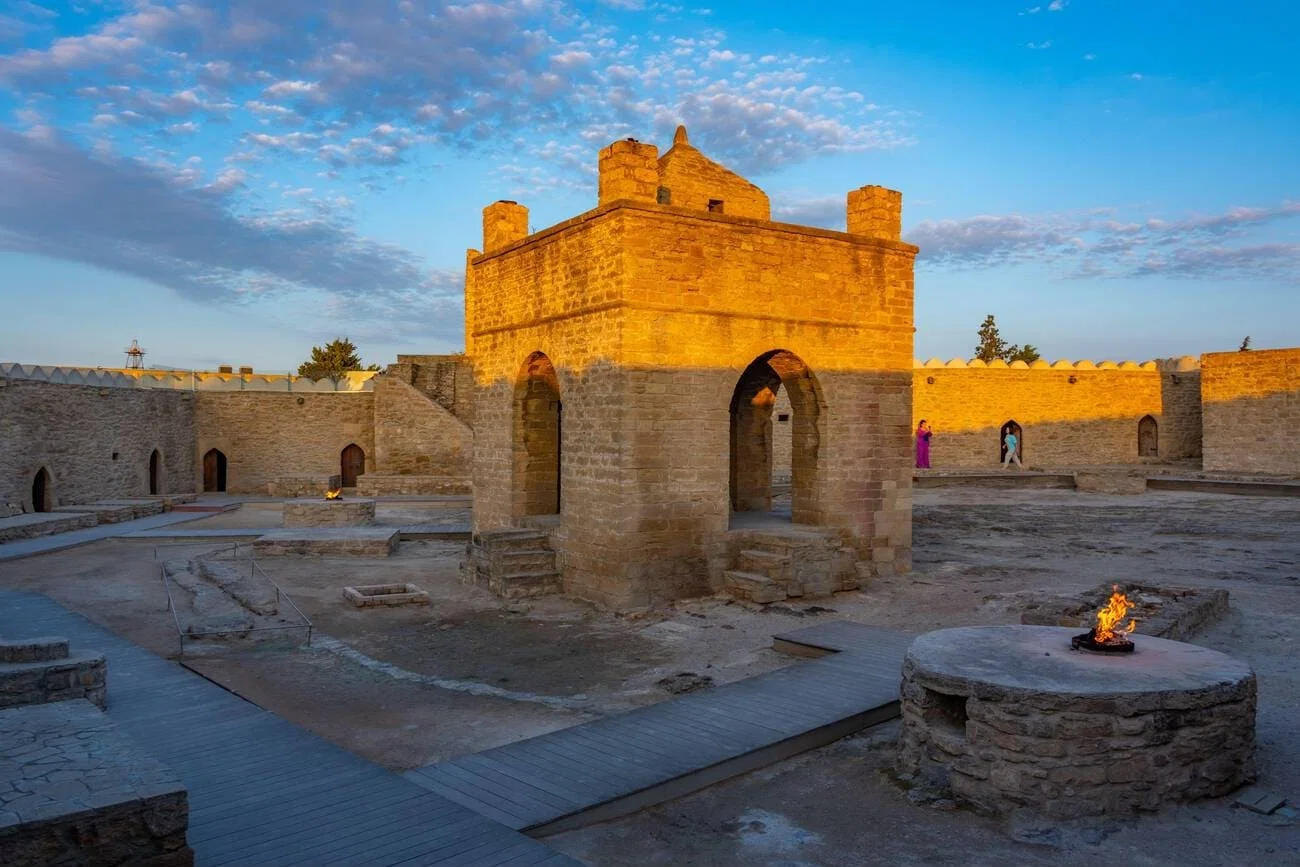
The stone gazebo in the center of the courtyard marks the spot where natural gas once produced eternal flames.
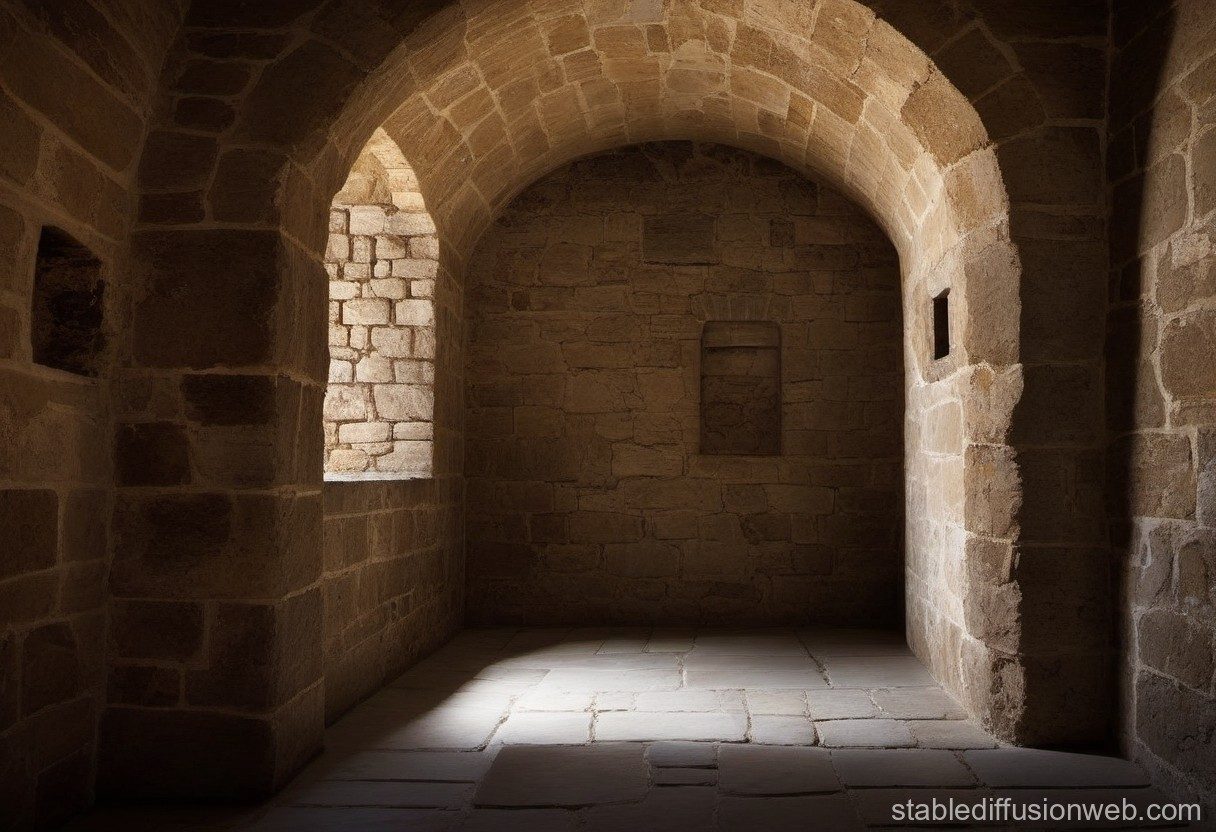
These small rooms were once used by pilgrims and monks traveling the Silk Road.
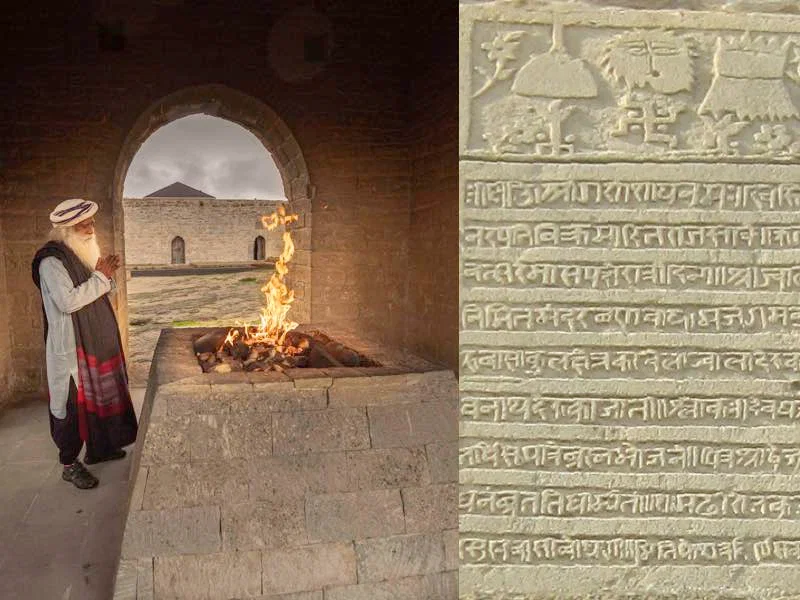
Observe the unique stone carvings in Sanskrit, Punjabi, and Persian languages.
The imposing outer walls were designed in the traditional Shirvan-Absheron architectural style.
Every Absheron tour side-by-side — duration, what's included, how you redeem.
| Experience | Duration | Rating | Pickup | Skip-the-line | Guide | Small group | Price | |
|---|---|---|---|---|---|---|---|---|
|
Guided Experience Most popular
Baku: Gobustan, Absheron & Yanar Dag Day Trip
|
7 hr 30 min | ★ 4.9 | ✓ | ✓ | ✓ | ✓ | €21 | Book → |
|
Guided Experience
Baku: Gobustan, Mud Volcanoes & Absheron Full-Day Tour
|
8 hr | ★ 4.8 | ✓ | ✓ | ✓ | ✓ | $14 | Book → |
|
Guided Experience
Baku: Gobustan, Mud Volcanoes & Absheron Full-Day Tour
|
8 hr | ★ 4.8 | ✓ | ✓ | ✓ | ✓ | $14 | Book → |
All prices from verified partners. Availability and exact terms confirmed at checkout.
An absheron tour offers a compact exploration of fire-temple landmarks, whereas incorporating Gobustan creates a more extensive day-long expedition. They complement each other; most visitors who do both call the combined route the more comprehensive choice.
| Feature | Top pick Absheron Peninsula | Gobustan & Volcanoes |
|---|---|---|
Time Investment |
2–3 hours | 6–8 hours |
Logistical Complexity |
Low; easily accessible | High; requires 4x4 transport |
Physical Intensity |
Low; paved paths | Moderate; rugged terrain hiking |
Historical Focus |
Religious and Zoroastrian history | Prehistoric petroglyphs and geology |
Typical Itinerary Speed |
Leisurely pace | Fast-paced full day |
Transport Reliance |
Public transit or taxi | Private jeep or tour vehicle |
| See tickets → |
Verdict: Choose the local absheron tour tours for a quick cultural dip, or book a combined trip if you want to secure absheron tour tickets alongside ancient rock art exploration. Use absheron tour tour options if you prefer minimal travel time.
Choose your ticket, select your date, and reserve in under two minutes. Secure checkout handled by our verified partner.
Instant confirmation by email, with a mobile voucher you can save offline. No printing, no queuing at a collection desk.
Arrive at the entrance, show your voucher on your phone, and walk in. Most tickets include priority or skip-the-line access.
Practical details for Absheron tickets straight from our verified partners — hours, access, rules, and how to get there.
Atamoglan Rzayev, Surakhani, Baku
Main gate of the historical reserve
Open in Google MapsBus 184 from Koroglu metro station reaches the site directly.
Bolt or Yandex apps provide the most direct transit from Baku city center.
Casual and modest attire is recommended as this is a site with historical religious significance. Comfortable walking shoes are advised for the stone pathways.
Standard security checks may be in place. Large bags are generally discouraged due to the compact layout of the stone cells.
Photography is permitted in the central courtyard and around the fire altar. Please respect any signage regarding flash photography inside the museum chambers.
The central pentagonal courtyard is mostly flat and navigable. Staff can assist visitors with limited mobility regarding access to the main temple-altar.
Mobile phone use is allowed. Signal is strong, though quiet use is appreciated near the sacred altar areas.
The site is suitable for families and children, offering an educational look at ancient fire worship. Strollers are manageable in the open-air central area.
No food or drink is served inside the museum. Several local cafes are located in the surrounding Surakhani area.
Pets are not allowed inside the temple complex. Service animals are permitted with proper documentation.
The site is best enjoyed at a slow pace to appreciate the layered religious history. Use an official guide to interpret the multilingual stone inscriptions.
Atamoglan Rzayev, Surakhani, Baku
Main gate of the historical reserve
Get directionsBest time to go, insider tips, nearby landmarks, and the cancellation fine print — flip through to skim what matters to you.
How crowds, weather, and events shift across the year.
Mild temperatures make this ideal for walking the site comfortably.
Small details that turn a good visit into a great one.
Hire a guide to read the Sanskrit and Punjabi inscriptions on the cell walls.
Non-bookable sights within a short walk — free to visit, easy to pair.
Features local history and art exhibitions.
Ancient archeological site with petroglyphs and traditional architecture.
Flexible, no hidden fees.
Full refunds are provided for cancellations made at least 24 hours before the scheduled arrival. Entrance fees are 15 AZN for foreign citizens.
Hand-picked options within walking distance — pick a district for vibe, or a specific hotel for convenience.
Homestay style accommodation near the site.
Full-service hotel with pool and spa facilities.
Zoroastrian pilgrims did not light the flame at Ateshgah. Natural gas seeping through the limestone did, and it burned without human help for centuries before anyone built walls around it. That geological accident is the reason an absheron tour exists at all.
The peninsula east of Baku sits on one of the oldest producing oil provinces on earth. Marco Polo recorded caravans carrying oil from here in the thirteenth century. Local villagers sold it by the jar for lamps and for medicine. Zoroastrians, Hindus and Sikhs travelled from Punjab and Multan along the trade roads, and by the seventeenth century a pentagonal caravanserai-temple stood at Surakhani, its central altar open to the sky. Inscriptions in Sanskrit and Punjabi survive on the cells around the courtyard. Industrial drilling in the late nineteenth century drew down the gas pressure, and the natural flame died in 1969. The fire visitors see today is piped.
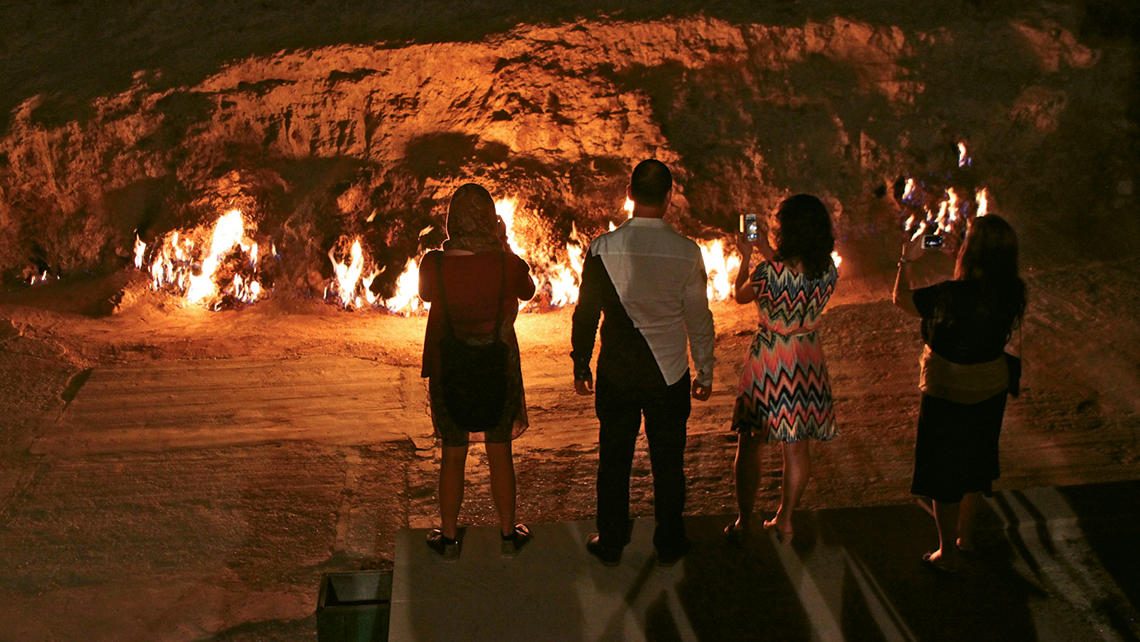
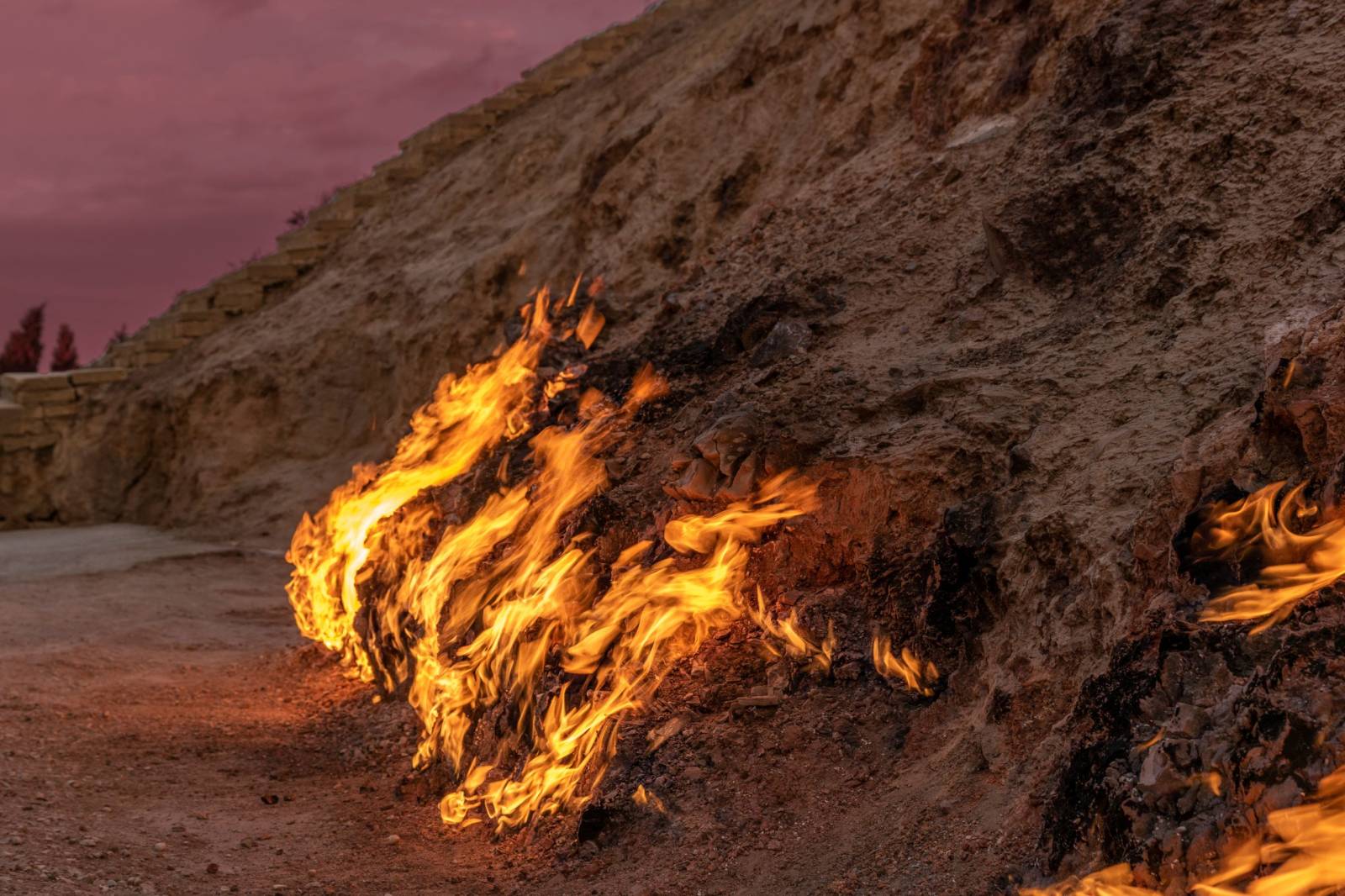
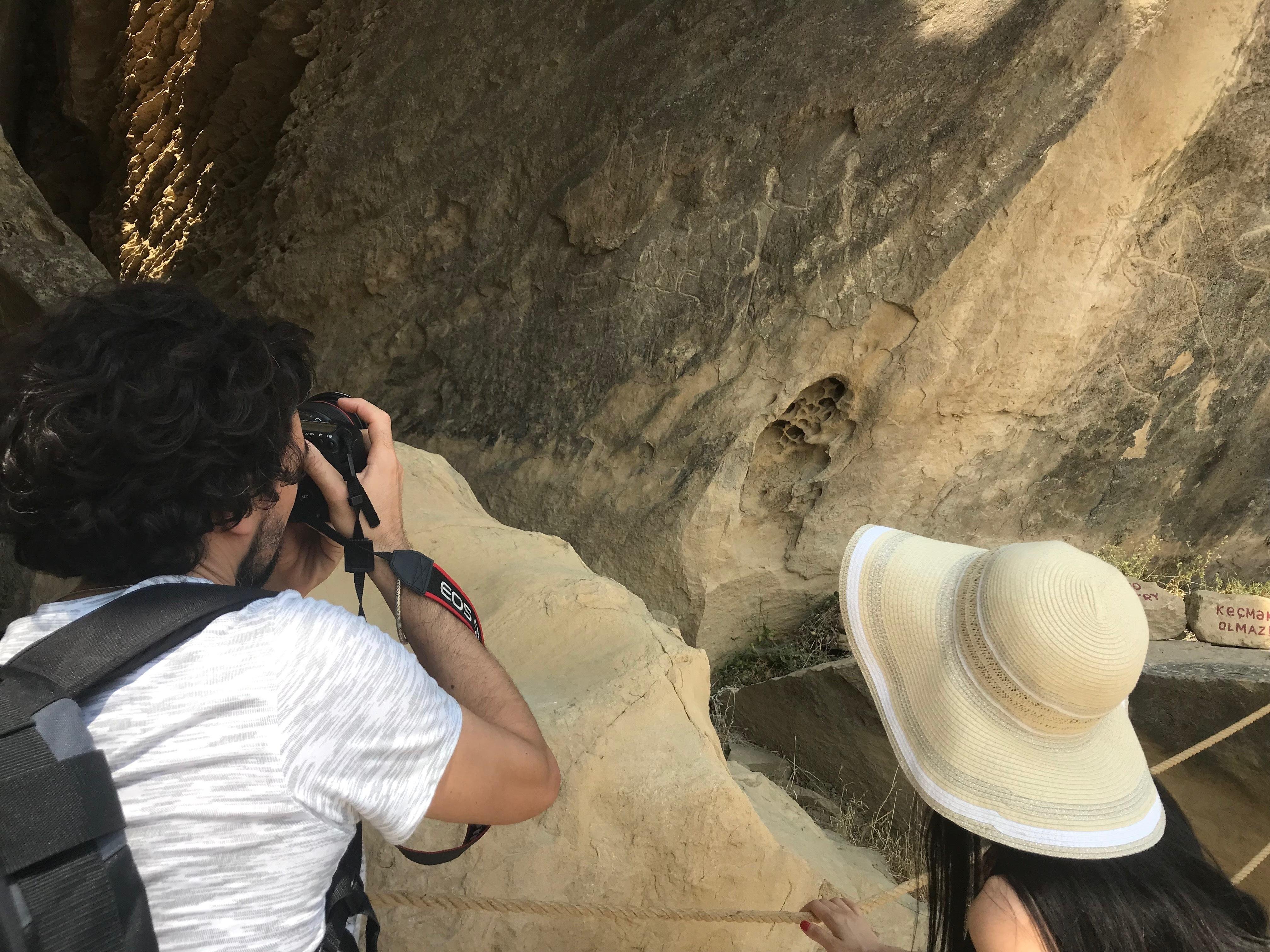
What makes an absheron tour baku itinerary unusual is how little distance separates these phenomena. Twelve kilometres north of the fire temple, the hillside at Yanardag has burned continuously along a ten-metre seam since at least the 1950s, fed by the same methane reservoir. Ateshgah carries UNESCO tentative-list status and has been a state historical-architectural reserve since 2007. Together they form the backbone of most absheron tour with ateshgah and yanardag routes, usually extended to the Gala Archaeological and Ethnographic Reserve, where excavated dwellings, kurgans and stone-carved animal pens document five thousand years of settlement.
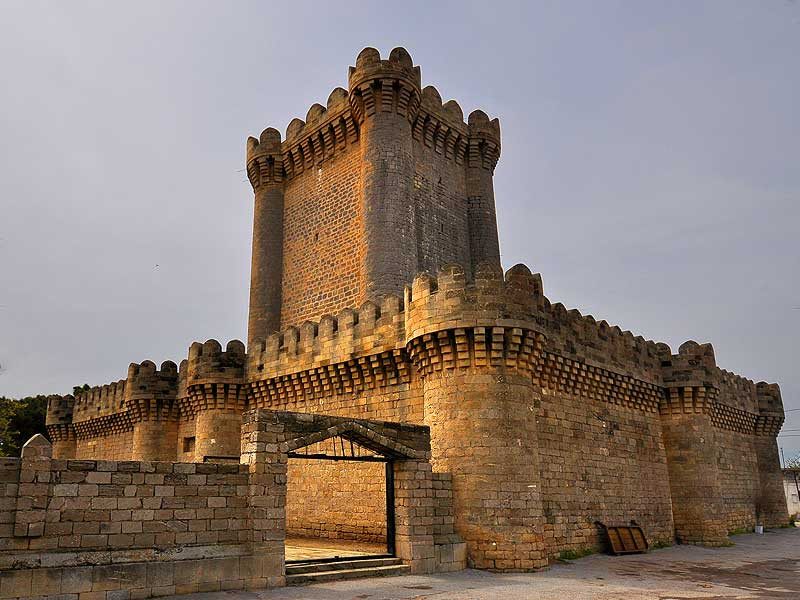
The architecture rewards close reading. Ateshgah's pentagonal plan is defensive, not ceremonial — a caravanserai form adapted for pilgrims. Each of the twenty-six cells housed travellers, and several retain soot staining on their vaults. Mardakan's fourteenth-century quadrangular tower and the Shirvanshah-era mosques in Nardaran show the same local limestone, cut from quarries that still operate. An absheron tour azerbaijan route may also include the Mud Volcanoes at Dashgil or Qobustan's petroglyphs, which is why gobustan absheron tour searches cluster together.
The peninsula resists the picturesque. Pumpjacks stand in residential yards. Salt lakes glare white. Yet this landscape gave Azerbaijan its name in popular etymology — the land of fire — and absheron tour tours remain the most direct way to read that claim against the ground itself.

"The fire was never a miracle; it was geology, patient enough to look like one."
A step-by-step walkthrough of Absheron tickets — what you'll see, how long each stage takes, and the details that matter.
You leave Baku early, because the 09:00–11:00 arrival window spares you both the afternoon heat and the coaches. Thirty minutes of highway, past pumpjacks nodding in gravel yards, and you reach Atamoglan Rzayev street in Surakhani.
Entry is 15 AZN for foreign citizens; ask at the window about the combined ticket with Yanardag before you pay separately.
Through the arched gate, the courtyard opens flat and bright. The central altar burns in four jets. You circle it once, then work the perimeter cells anticlockwise — twenty-six of them, several fitted with mannequins, oil jars and dervish tools. In the third cell along, you find the Sanskrit inscription slab and the soot still dark on the ceiling. Twenty minutes is enough. Longer if you photograph the pentagon from the northeast corner, where the walls frame the flame cleanly.
Back in the car, you drive twelve kilometres north. At Yanardag the hillside is already alight when you arrive, a low orange seam under a stone amphitheatre; you sit on the second row of benches and feel the heat on your shins. Most absheron tour with ateshgah and yanardag routes stop here and turn back. If yours continues, Gala village waits another twenty minutes east — open-air, dusty, worth the walk.
You are back in the city before the light flattens, with your absheron tour tour closing where the fire started.
The site is open daily from 09:00 to 18:00.
Yes, the courtyard of the fire temple is accessible for wheelchairs.
The entrance fee is 15 AZN for foreign citizens.
The best arrival window is between 09:00 and 11:00 to avoid crowds.
Large bags should be avoided as the temple cells are quite small.
Pets are not permitted inside the museum complex.
There are no dining facilities on-site, but many options exist nearby.
You can take Bus 184 from Koroglu metro station or a taxi directly to the site.
Photography is permitted in the open-air courtyard and near the altar.